Jean-Michel Blais
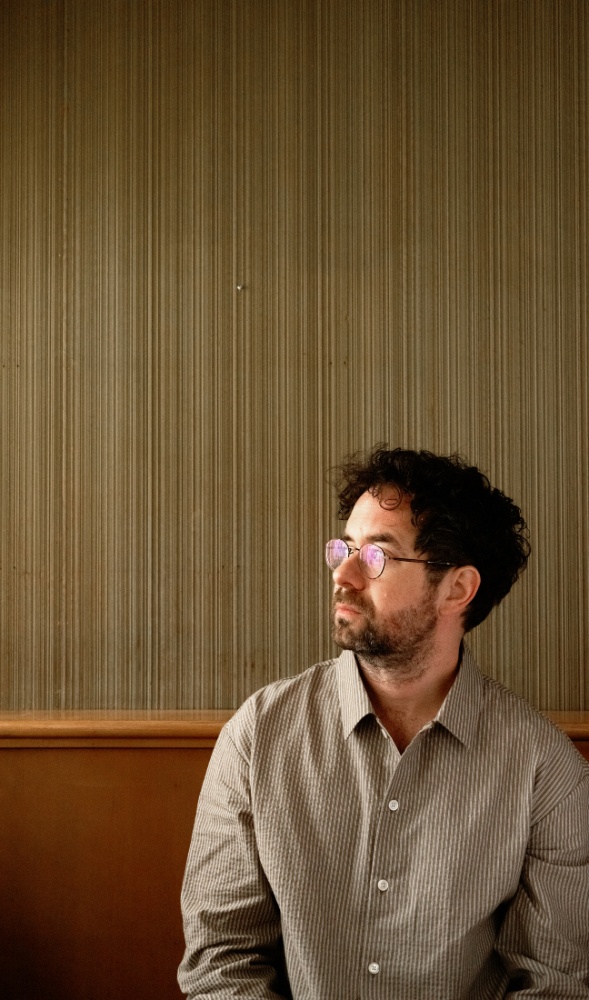

Jean-Michel Blais is a Montréal-based pianist, composer, and performer. His debut album Il was named one of Time Magazine’s Top 10 Albums of 2016, launching an international career that has since accumulated more than 580 million streams worldwide. Known for blending virtuosity with emotional clarity, Blais creates music that moves fluidly between solo piano, orchestral writing, and electronic textures, often shaped by improvisation and deeply personal expression. As a member of the LGBTQ+ community and someone living with Tourette’s syndrome, he also draws insight from his experience as a special needs educator, bringing a rare sensitivity and humanity to his work.
Jean-Michel Blais was ready to make an epic statement. mirador, the pianist-composer's fourth album, finds the Montrealer turning his gaze onto a wondrous world—exchanging contemporary minimalism for a light and generous maximalism. It's an odyssey that spans choirs, strings and the music of the Andes, from Spanish caves to Estonian forests and all the way back to the basement in Nicolet, Québec, where Blais first imagined adventures.
The origins of mirador were remembrances from childhood. As a musical kid—and, even if he wasn't fully aware of these things yet, as a queer person, with Tourette's—Blais' basement was his imaginary lookout, his mirador, from which he could dream the world. There, he'd browse in wonder through a Larousse encyclopedia; he'd play with the family's cheap Hammond organ and endlessly replay the same cassettes.
For 2022's aubades, Blais had begun experimenting with orchestration. Now, he was drawn to the promise of the human voice—of singing as "pure instrument." Working from his apartment's flimsy kitchen island, Blais conceived a 12-part chorus, without lyrics. Soon, with help from William Brittelle (LA Philharmonic, The National), he had assembled a choir of baroque singers—and then added a string quartet of his friends.
Composing this material "unleashed something," Blais says. One of his prized childhood tapes had been a bootleg of music from the Andes, recorded off the radio. His parents, who were amateur ballroom dancers, had taught their son to dance the salsa, the mambo, the cha-cha. He had taught himself Spanish—and was so moved by his first visit to Central America that he wanted to quit the music conservatory and give all his possessions away. Throughout Blais' twenties, he made visits to Nicaragua, Guatemala and Argentina, falling in love with traditional Andean folksong, especially artists like Los Kjarkas and Charijayac. On mirador, Jean-Michel Blais offers a path back to childhood—cut a crown from a piece of paper and suddenly you have a kingdom.