Kathleen Edwards
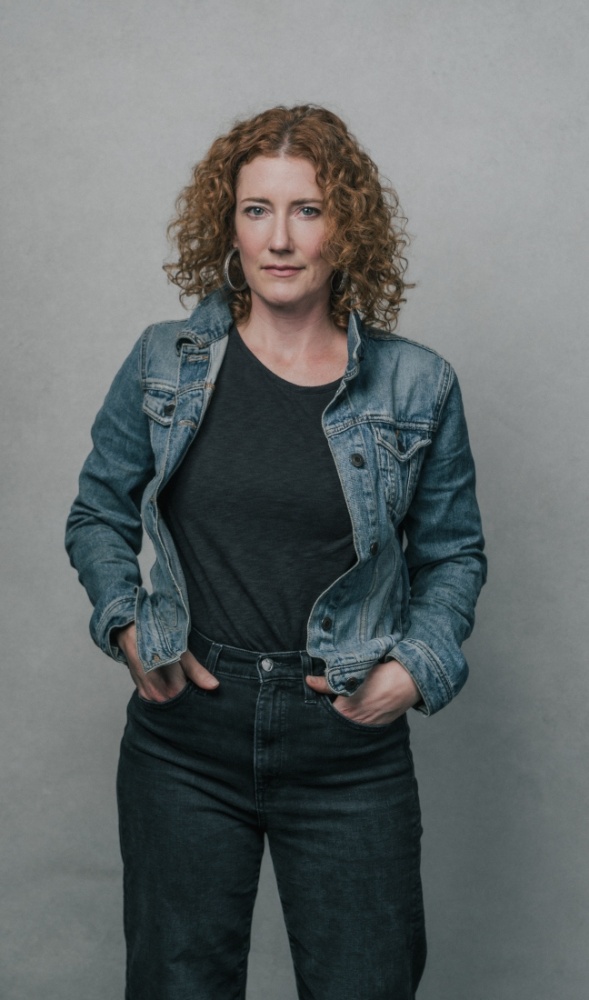
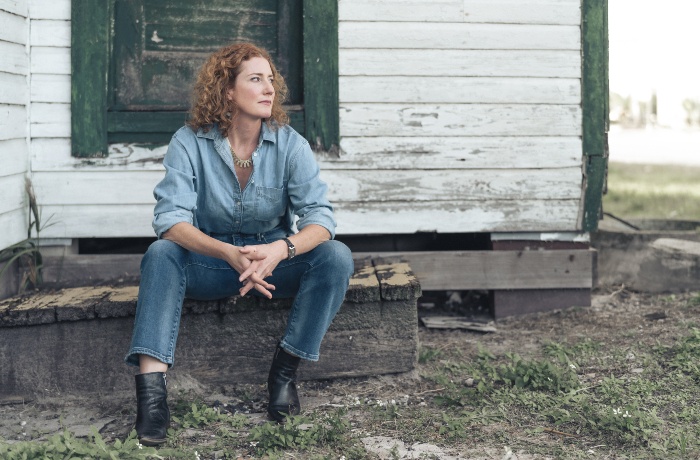
For decades, Kathleen Edwards has been a cornerstone of North American roots music. Since her 2002 debut Failer, she has carved out a space between alt-country, folk, and heartland rock, earning multiple Juno nominations and chart success on both sides of the Canada–U.S. border. Her songwriting has helped carry forward the legacy of artists like Tom Petty, Neil Young, and Lucinda Williams while also influencing a new generation of genre-blurring musicians.
Raised in Ottawa, Ontario, Edwards was in her early 20s when Failer introduced her to widespread critical acclaim. Songs like Six O’Clock News showcased a warm, atmospheric sound that resisted easy categorization, even as she was nominated for a Juno Award in the Roots & Traditional category. At the time, she recalls, there wasn’t really a label for what she was doing. She was simply making the music she wanted to make.
She followed with albums like Back to Me, Asking for Flowers, and Voyageur, the latter reaching No. 2 on the Canadian Albums Chart and marking a commercial peak. Despite that success, years of relentless touring led to burnout, and she stepped away from music entirely after Voyageur. She moved to suburban Ontario and opened a coffee shop called Quitters, marking a deliberate pause in her career.
Edwards eventually returned to music reinvigorated, collaborating with artists like Maren Morris and co-writing Good Woman for the Grammy-nominated album Girl. Her 2020 release Total Freedom, produced with Ian Fitchuk, marked a creative resurgence, with standout tracks like Options Open and Hard on Everyone reaching the Top 30 on U.S. Triple A radio. More recently, she released Covers, paying tribute to her songwriting influences, and is now working on new material with Jason Isbell and Gena Johnson while continuing to tour and perform with icons such as Willie Nelson, John Fogerty, and Bob Dylan.
Looking ahead, Edwards remains focused on writing and performing. “The amount of things I’ve gone through might make someone else quit,” she says, “but quitting doesn’t quite do it for me.” For her, the work is ongoing, driven by a desire to keep writing strong songs, connecting with audiences, and moving forward rather than looking back.